
Skip to content
Utah Business AIWhere Utah business connects.

Home · Agencies · Agriculture and Food

A farmer sells produce and honey to a shopper at an outdoor market

Agency · Agriculture and Food

Agriculture and Food

Food and farming touch every Utah household, from the grocery bill to the farmland giving way to new homes. This page starts with what the state decides, like food safety inspections, the food tax and farm water grants, and also shows what Congress, the county and the city decide.

17,386Farms in Utah in 2022, on 10.5 million acres.
$2.34 billionUtah farm sales in 2022.
1.75%The state sales tax on groceries; local taxes add to it.

Source: USDA Census of Agriculture, 2022; Utah State Tax Commission

Start here

Step 1

What part of agriculture and food matters to you?

Don't see your concern? Tell the people who decide: Your state legislators · Natural Resources, Agriculture, and Environment committee · Eagle Mountain City Council.

Step 2

Which government?

Step 3

Take Action

Step 4

Steps you can take on your own and with each level of government on food and farming. (See How It Works)

Improve the Process

Step 5

The officials who decide on , and the next meeting, vote or comment period where you can speak up about it.

News

Agriculture department investigates a suspected feed-related issue affecting local horsesUDAF · Nov. 6Utah's Own Holiday Shoppes return to Millcreek Common for a fourth yearUDAF · Oct. 29Farm-to-School Month brings Utah farm lessons into classroomsUDAF · Oct. 16Government news →

Food and farm dates

Has an event. Click a day to see it.

NOV16Priority bill requests dueLast day for legislators to name their first priority bill requests for the 2027 session.NOV16Utah County Board of HealthThe board over the county health department, which permits restaurants and runs WIC, meets in Provo; public comment at the end.NOV18Natural Resources, Agriculture, and Environment Interim Committee8:30 a.m., Room 110, Senate Building, Utah Capitol. Open to the public.NOV20A Grateful Get Together at Utah's Own Holiday Shoppes6 to 8 p.m., Millcreek Common; samples and a tree lighting.NOV28Small Business Saturday at Utah's Own Holiday ShoppesMillcreek Common. The Shoppes run through Dec. 24.DEC8Legislature interim dayLegislative committees meet at the Utah State Capitol, Salt Lake City.JAN192027 General SessionThe 45-day session, when bills on food, farms and water are debated.All events →

Learn about agriculture and food

Terms for the topic you pick in Start here, and what they mean.

Food and farm terms explained
  • Department of Agriculture and Food (UDAF)The state agency that inspects food makers and stores, protects animal and plant health, and helps farms. Source
  • Utah Agricultural CodeTitle 4 of Utah law, which covers food safety, dairy, weights and measures, brands and animal disease. Source
  • Local health departmentUtah County's health department, which permits restaurants, food trucks and home kitchens and runs WIC. Source
  • Census of AgricultureUSDA's count of farms, farmland and farm sales; the latest is from 2022. Source
More terms in the site glossary →

Agriculture and Food at a Glance

A couple looks over bills at a kitchen table

Food prices

2.3% higher

USDA, Oct. 2026USDA forecasts food-at-home prices will rise 2.3% in 2026 and restaurant prices 3.5%. Its first 2027 grocery forecast is 1.0%, with a wide range.

What to know

  • USDA expects beef and veal to cost 8.7% more in 2026 because less beef is being produced. Eggs are forecast to fall 29.3% as flocks recover from bird flu.
  • Groceries are taxed 3% in Eagle Mountain: 1.75% state, 1% local and 0.25% county. The Legislature sets the state rate.
  • KUER reported a week of groceries in Utah costs about $278 on average. The state grocers' group said weather, animal and crop diseases and fuel costs drive most price swings.
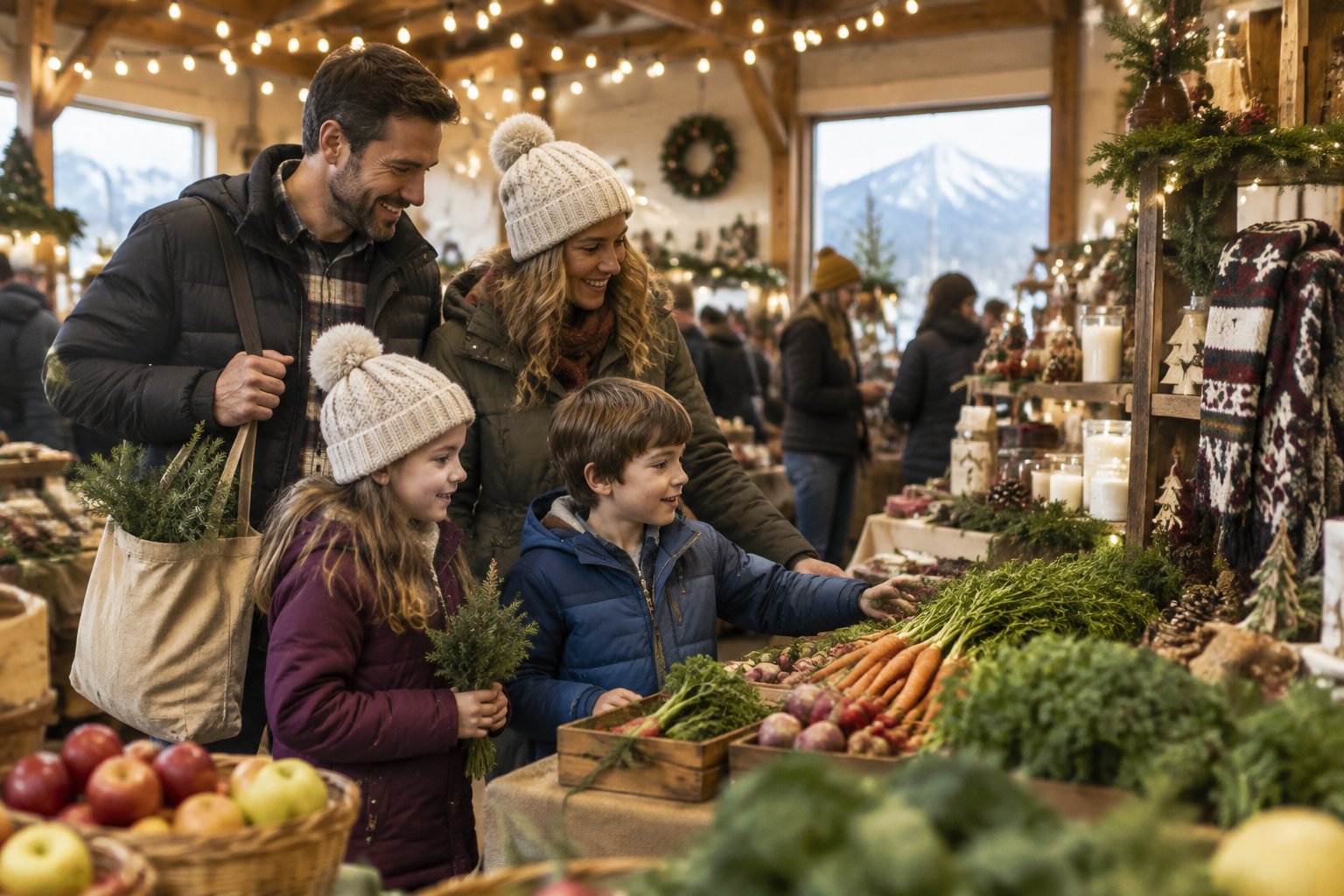
A family shops for vegetables at an indoor market

Beef

8.7%

USDA, Oct. 2026USDA expects beef and veal to cost 8.7% more in 2026 because less beef is being produced. Eggs are forecast to fall 29.3% as flocks recover from bird flu.

Learn more →

A caregiver brings a meal to an older woman

Food help

$1,023

USDAThe most a family of four in the lower 48 states can get in SNAP food benefits a month. Its gross income limit is $3,575 a month through Sept. 30, 2027.

Learn more →
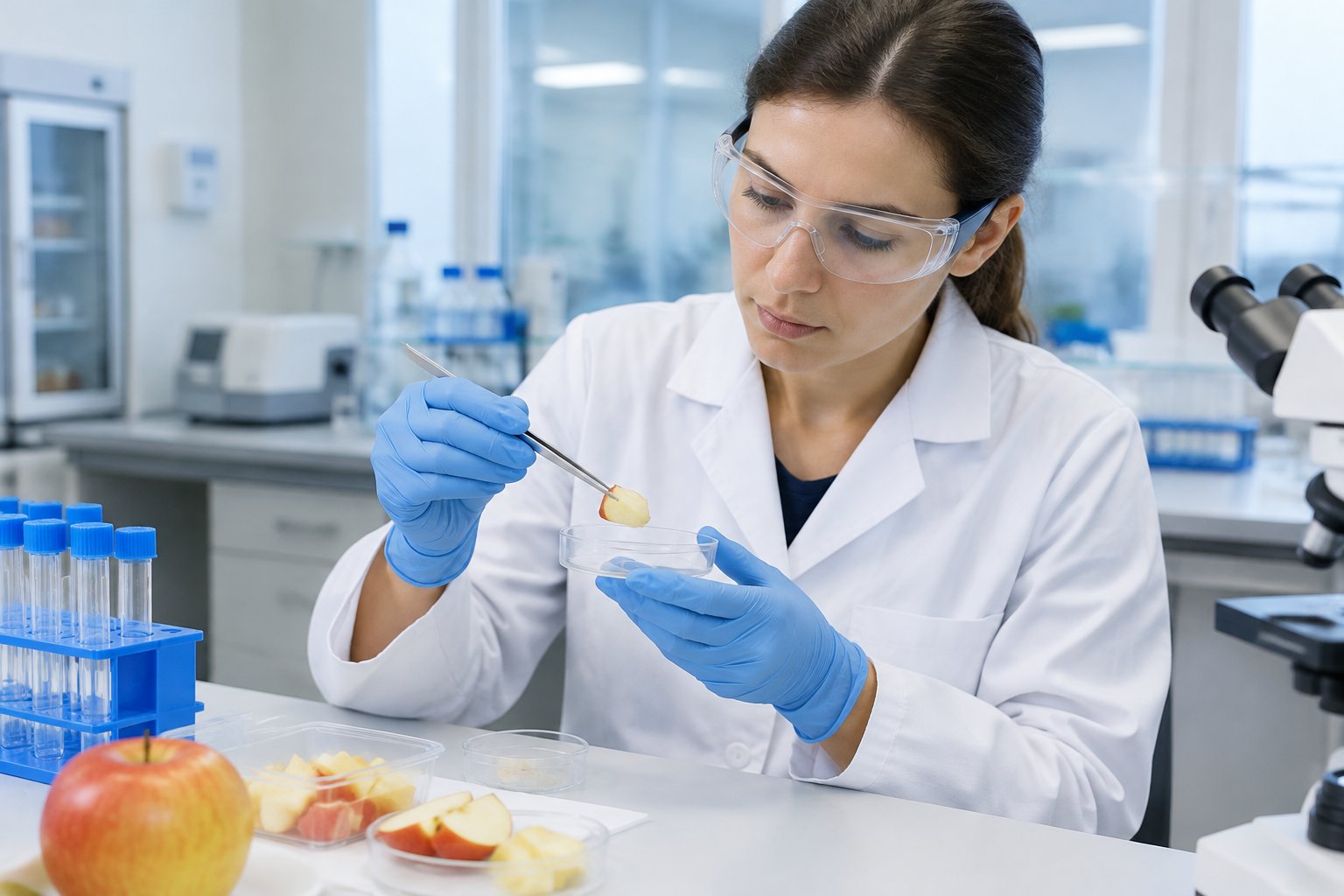
A lab worker in gloves tests a food sample

Food safety

20,000

H.B. 179Under H.B. 179 (2026), every batch of raw milk must be tested before sale. Limits are 20,000 bacteria and 10 coliform per milliliter.

Learn more →
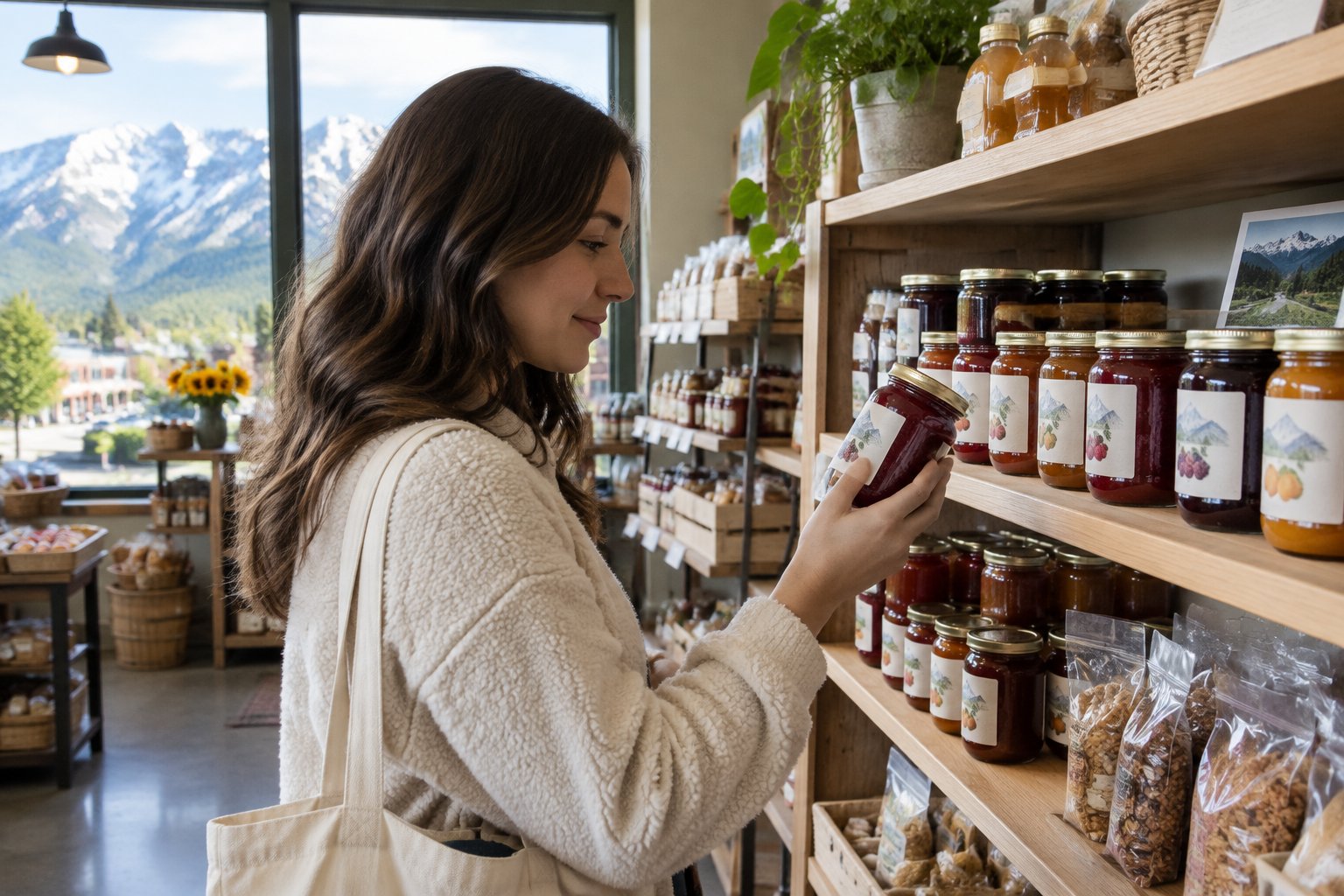
A shopper picks up a jar in a store of Utah-made foods

Selling food

$100

Utah's OwnA year of membership in the state's buy-local program, for Utah businesses that grow, raise or make food here. Members get a directory listing and the logo.

Learn more →
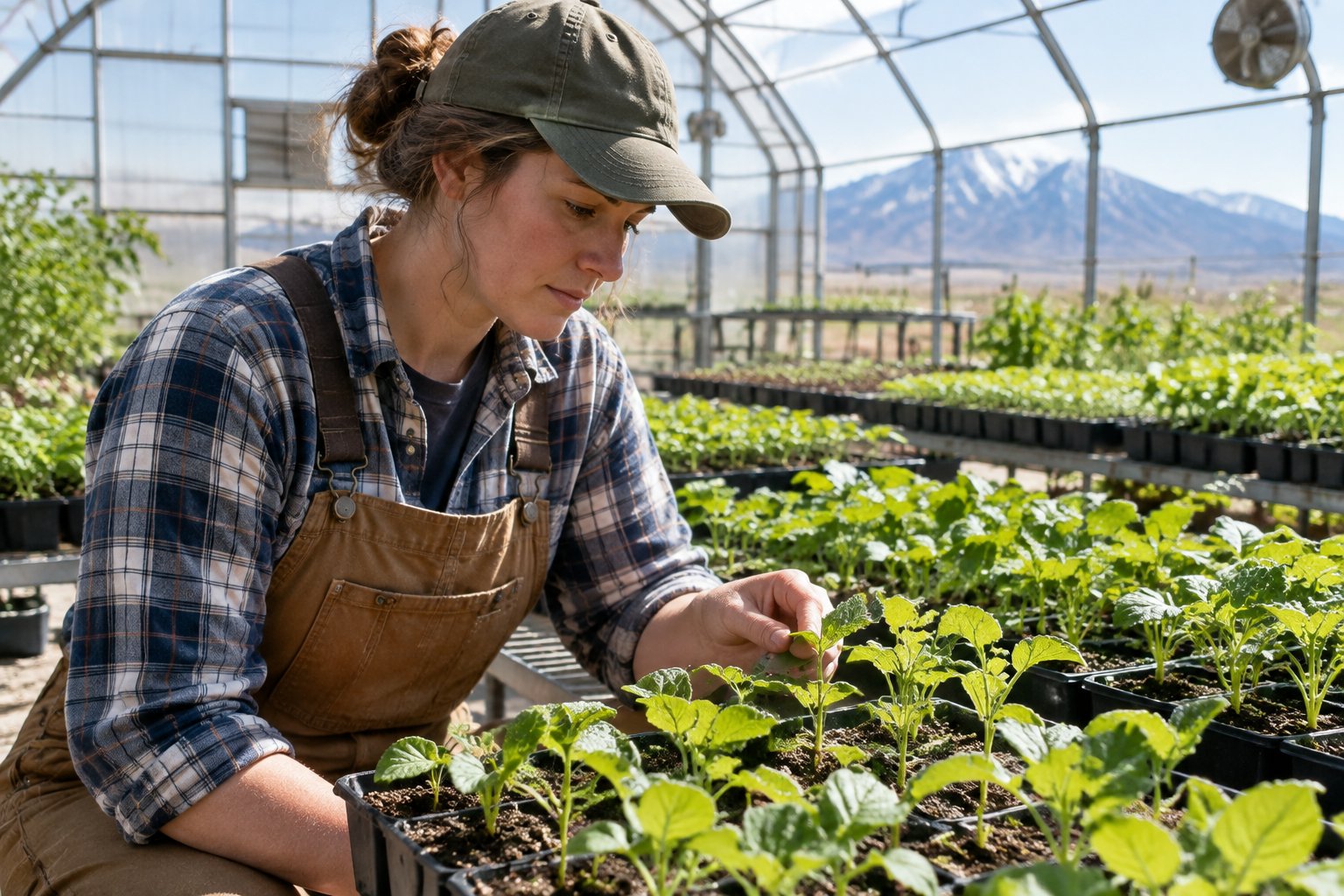
A grower tends seedlings in a greenhouse

Buy local

$2 for every $1

SNAP bonusBuy $1 of SNAP-eligible food at a participating market, farm stand or store and earn $2 to spend on fresh fruits and vegetables, up to $20 a day.

Learn more →
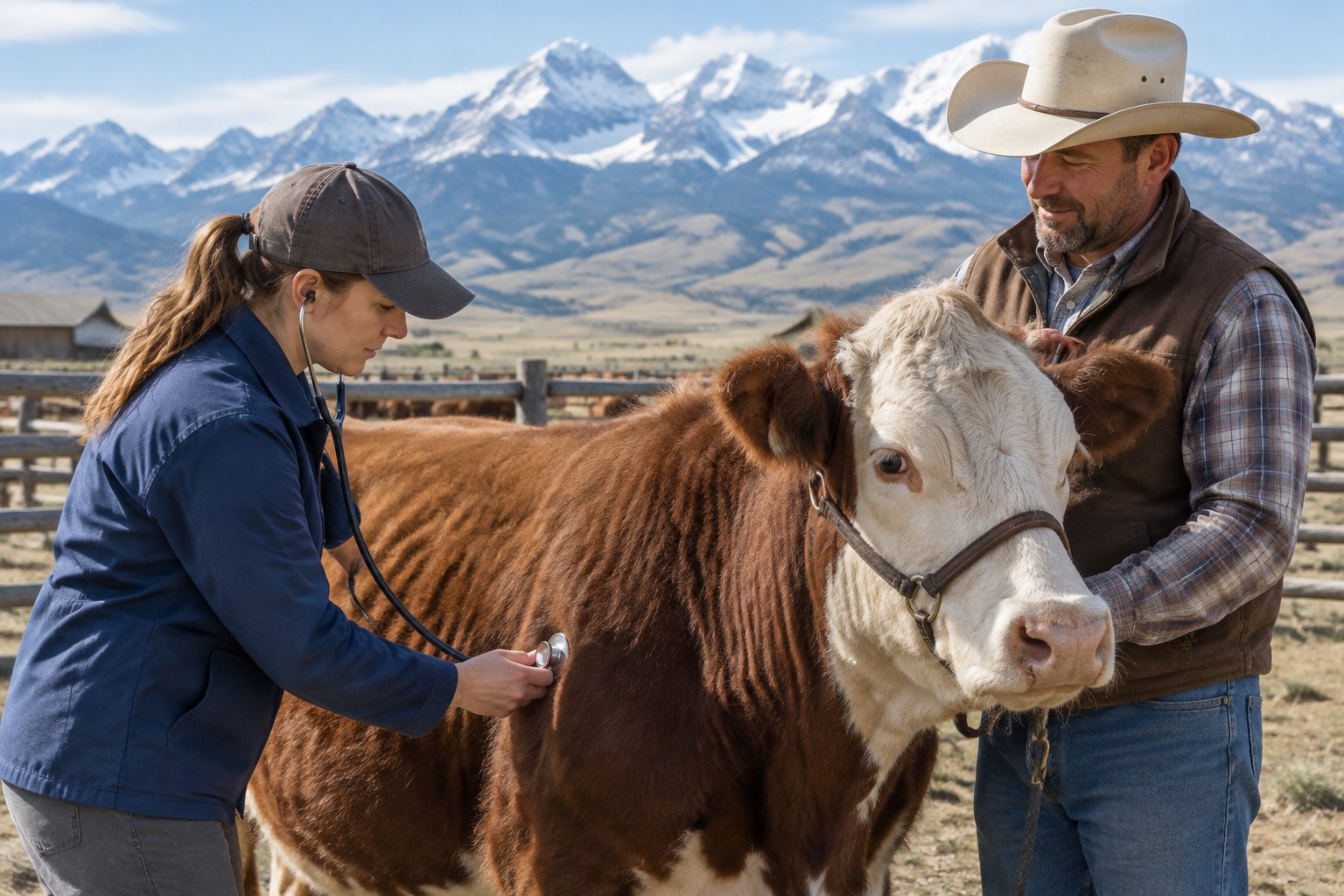
Two ranchers check a cow, with mountains behind

Farmland

2,322

USDA census, 2022Utah County had 2,322 farms in 2022, down 10% from 2017. Land in farms fell 3%, to 296,042 acres.

Learn more →
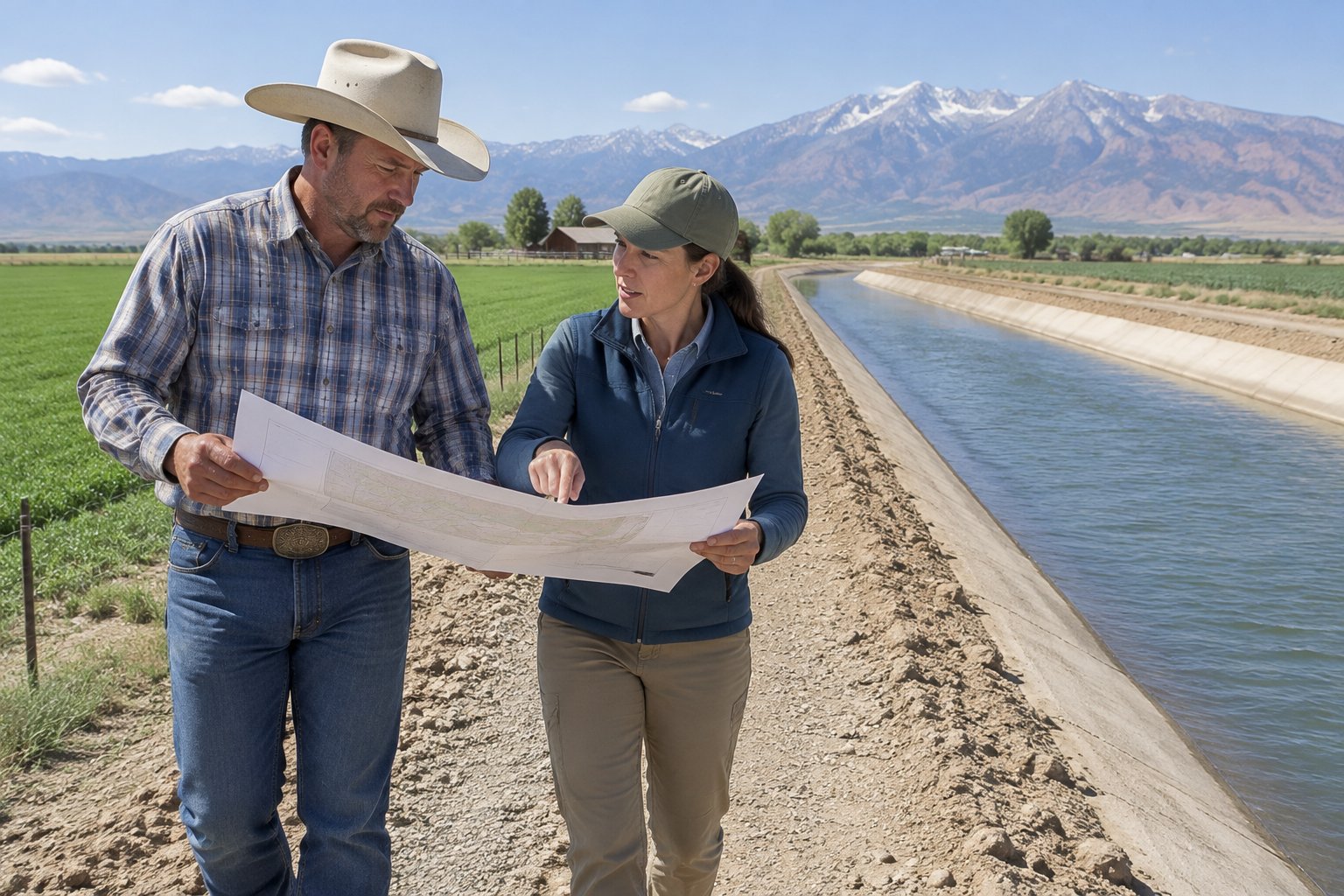
Two people review plans beside an irrigation canal

Farm water

$1 million

UDAFThe state's water optimization grants pay up to $1 million for an irrigation or canal company and up to $500,000 for a farm.

Learn more →
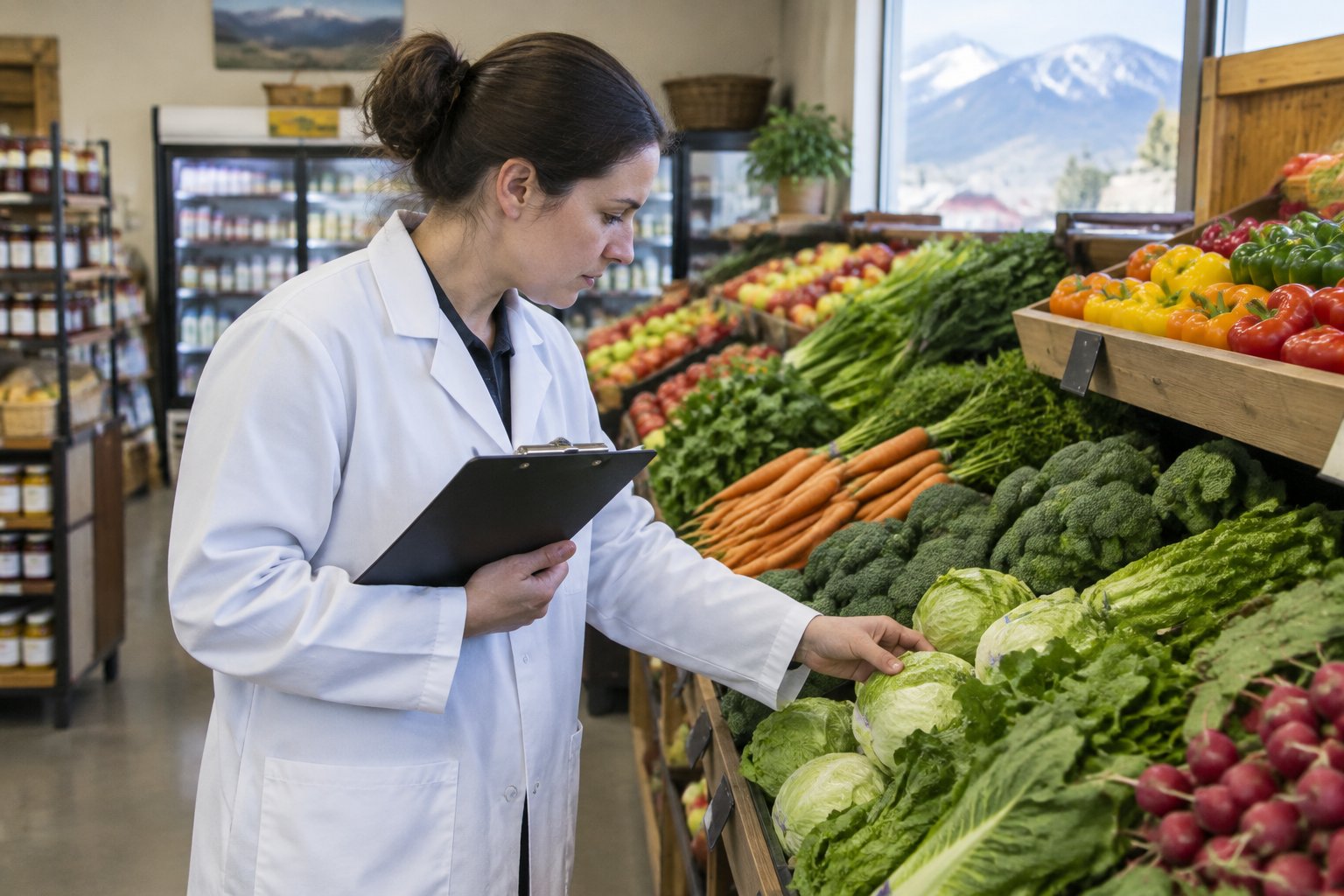
An inspector with a clipboard checks produce in a grocery store

Food tax

3%

Food rateGroceries are taxed 3% in Eagle Mountain: 1.75% state, 1% local and 0.25% county. The Legislature sets the state rate.

Learn more →
The Issue

What happened in 2026

2026 Utah laws that change how the state oversees food and farms, from the Legislative Fiscal Analyst's fiscal notes.

6 bills

Passed
6 of 6 shown
Next session
Jan. 19, 2027

H.B. 179 Milk Amendments

Passed

Raw milk inspections, testing and registration fees: about $76,000 a year.

  • Source: enrolled bill and fiscal note, 2026 session
Read the bill →

H.B. 369 Agriculture and Food Amendments

Passed

Creates a Weights and Measures Fund ($2.43 million a year) moved from the department's fees.

  • Source: enrolled bill and fiscal note, 2026 session
Read the bill →

S.B. 101 Specialized Product Amendments

Passed

New registration fees: about $97,500 in fiscal 2027 and $195,000 a year after, to the department.

  • Source: enrolled bill and fiscal note, 2026 session
Read the bill →

H.B. 493 Consumer Products Amendments

Passed

Higher fines: about $186,200 a year more to the department.

  • Source: enrolled bill and fiscal note, 2026 session
Read the bill →

H.B. 389 Cannabis Amendments

Passed

Changes to the medical cannabis program the department regulates.

  • Source: enrolled bill and fiscal note, 2026 session
Read the bill →

S.B. 26 Pest Control Amendments

Passed

More pest control permit applications: about $1,300 a year.

  • Source: enrolled bill and fiscal note, 2026 session
Read the bill →

Who decides

Congress funds food aid and farm programs; the state inspects food and sets the food tax; the county health department permits restaurants and runs WIC; the city zones land and licenses home businesses.

4 items

Most decisions
The state

Congress

Federal

SNAP and WIC rules and funding, school meals and federal farm programs.

Utah in Congress →

The Legislature and the Department of Agriculture and Food

State

Food safety inspections, raw milk rules, the state food tax and farm water grants.

Find your legislators →

Utah County Health Department

County

Food permits for restaurants, food trucks and home kitchens, and WIC.

See the county →

Eagle Mountain City Council

City

Zoning for farmland and new homes, and home business licenses.

Eagle Mountain City →

Facts link to their sources; positions are attributed to the people who stated them. State agencies · Previous design · Cost of living · Loans and grants