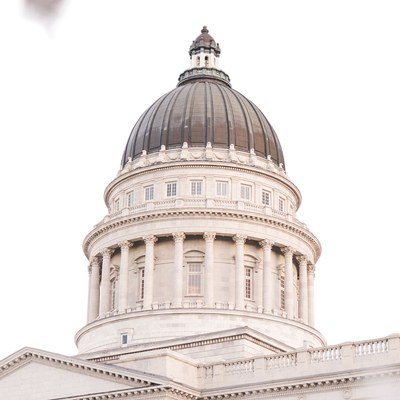
Decides when people in prison are paroled, sets and enforces parole conditions, and grants pardons and commutations after public hearings. Chair: Blake R. Hills. The governor appoints five full-time members with Senate consent.
Released on parole86%Of prison releases in fiscal 2026.
Stayed out82.6%Of people released in fiscal 2023 had no new prison conviction within three years.
Near the guideline64.7%Of releases came within 12 months of the guideline date.
Source: Board of Pardons and Parole, FY2026 Data and Benchmark Report.
About
Board of Pardons and Parole
LegislativeExecutiveJudicial
AuthorityThe Utah Constitution lets the board grant parole, commute sentences and grant pardons by majority vote after a public hearing (Art. VII, Sec. 12). Source
LeaderChair Blake R. Hills, a former prosecutor. The governor appoints five full-time members and up to five part-time members with Senate consent, to five-year terms (Utah Code 77-27-2). Source
What it does not doIt doesn't retry cases, write sentencing guidelines or supervise parolees; Corrections' Adult Probation and Parole does that. Source
Why the Board of Pardons and Parole
Everyday ways its work reaches you
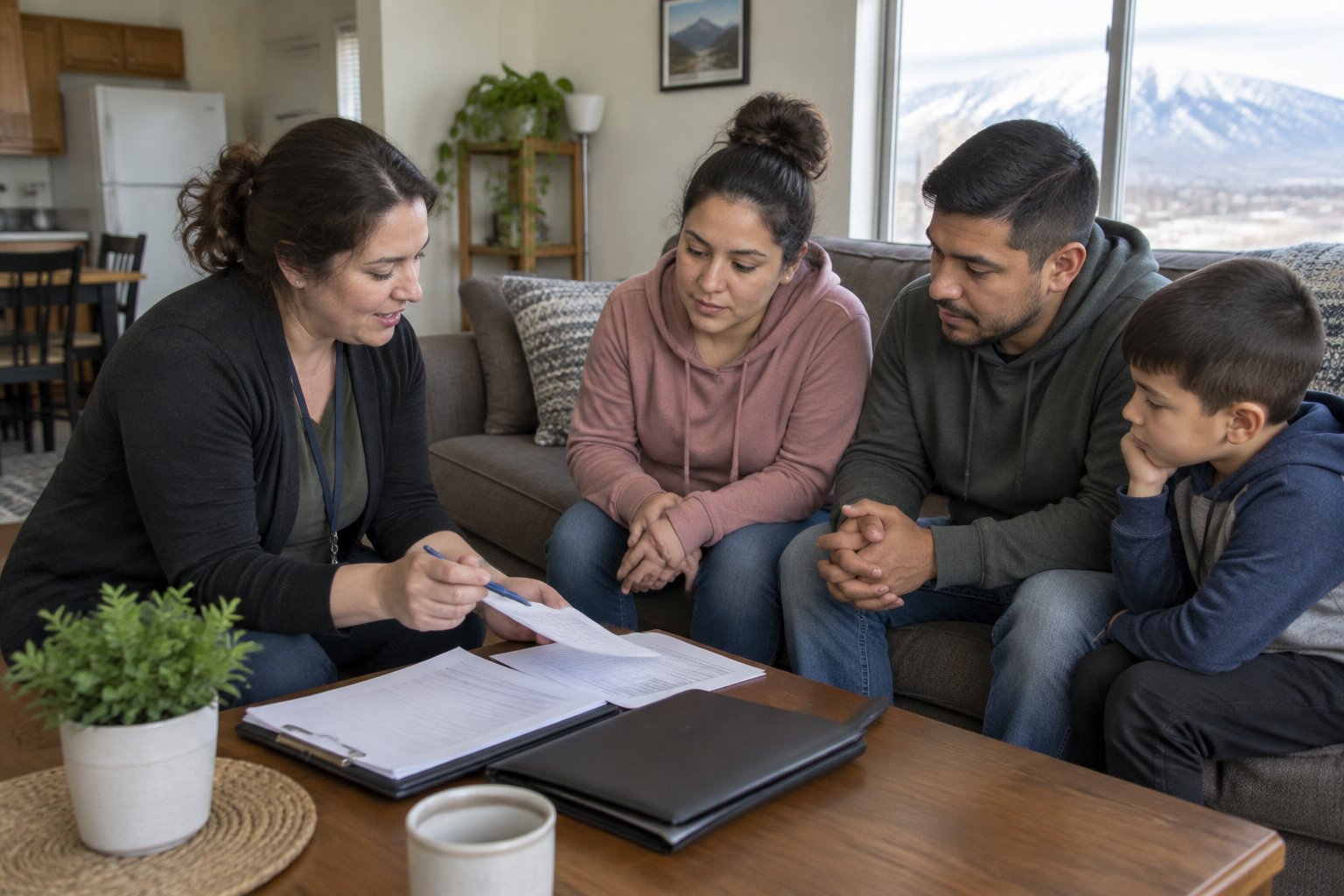
A voice for victimsVictims may speak at parole hearings, send a designee or a written statement, and choose text, email or mail notices. Source
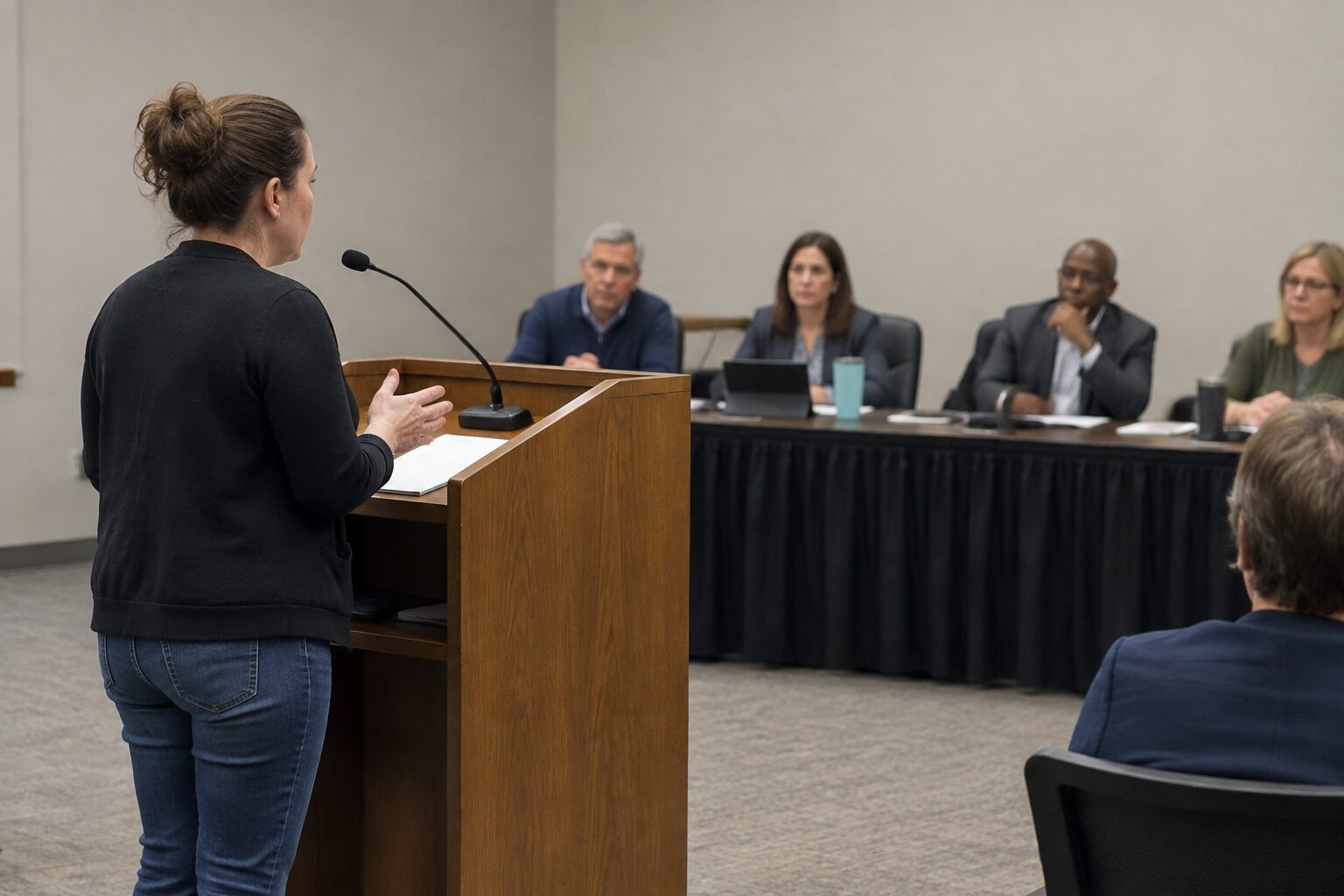
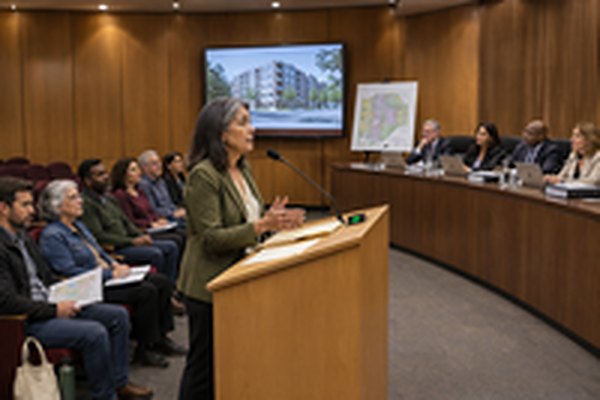
Open hearingsHearings are public and recorded; anyone can listen live by web or phone, and decisions are posted online. Source
A path to a clean recordThe board decides pardons after a public hearing; apply online once the waiting period has passed. Most expungements go through the courts. Source
Victims · MyVoiceVictims now choose how they hear about hearingsThe board's MyVoice system lets victims of record get notices by text, email or mail, set blackout dates around painful anniversaries and use a quick-exit button. Call (801) 261-6464 for a PIN; those who don't enroll still get mail.What you can do: Help for victims