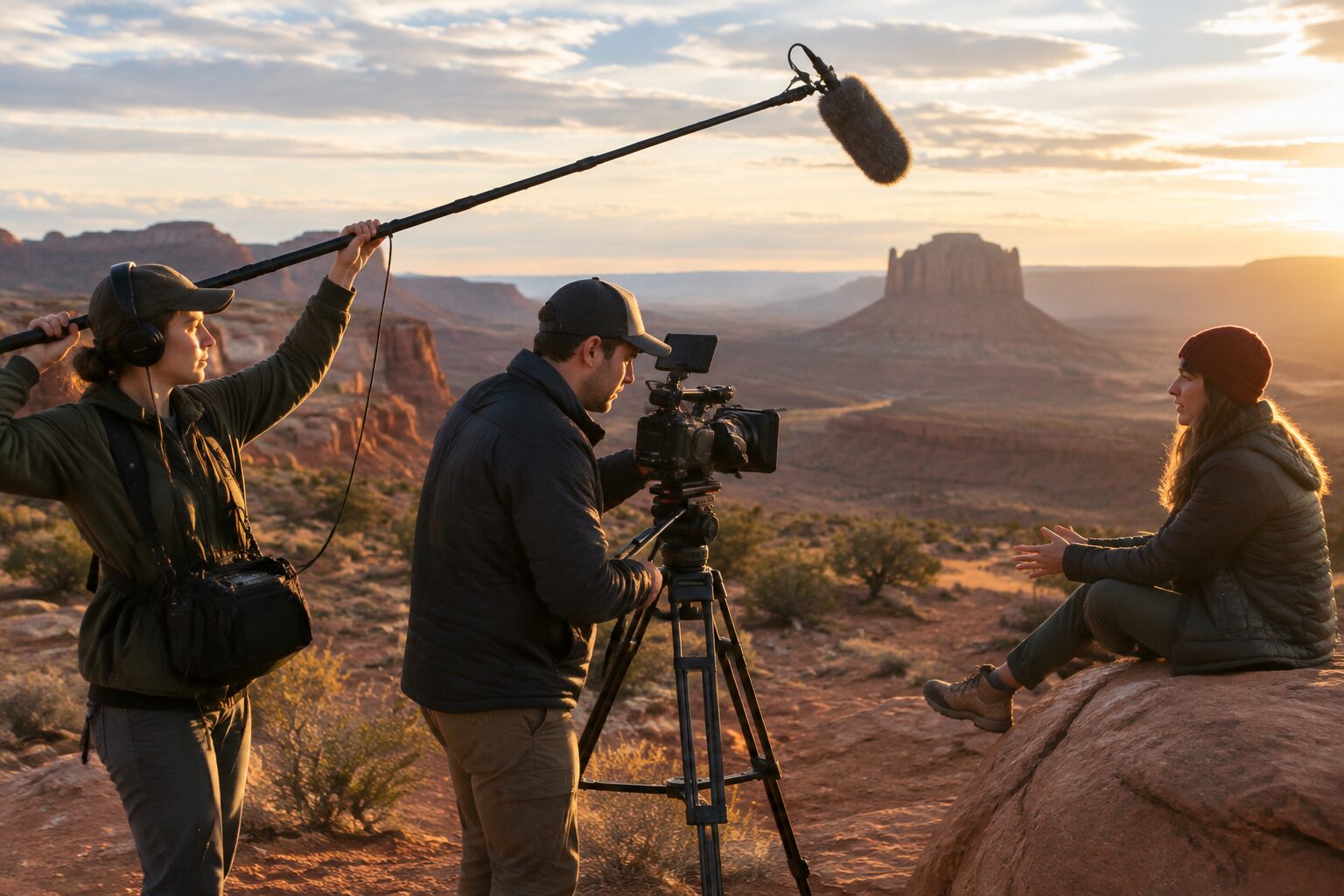
The state rules for Utah gyms, parks, hunting and fishing, guides and outdoor businesses, and the steps for members, visitors and the businesses that serve them. Each step links to the office that handles it.
Busy parksState park visits have more than doubled in 10 years. Source
A big economyOutdoor recreation is 3.3% of Utah's GDP. Source
Fewer foreign visitorsNational park visits fell more than 15% in August. Source
Get out and move
Gyms, parks, licenses and guides
1
UtahRegistered
Check that your gym is registeredGyms that sell memberships must register each location with Consumer Protection and keep a surety bond or certificate of deposit.Go to the source →
2
Utah$125 or $65
Buy an annual passThe 2026 annual day-use pass costs $125, or $65 for ages 65 and older. It covers the cardholder and up to seven guests in one vehicle for 12 months.Go to the source →
3
Utah$40 a year
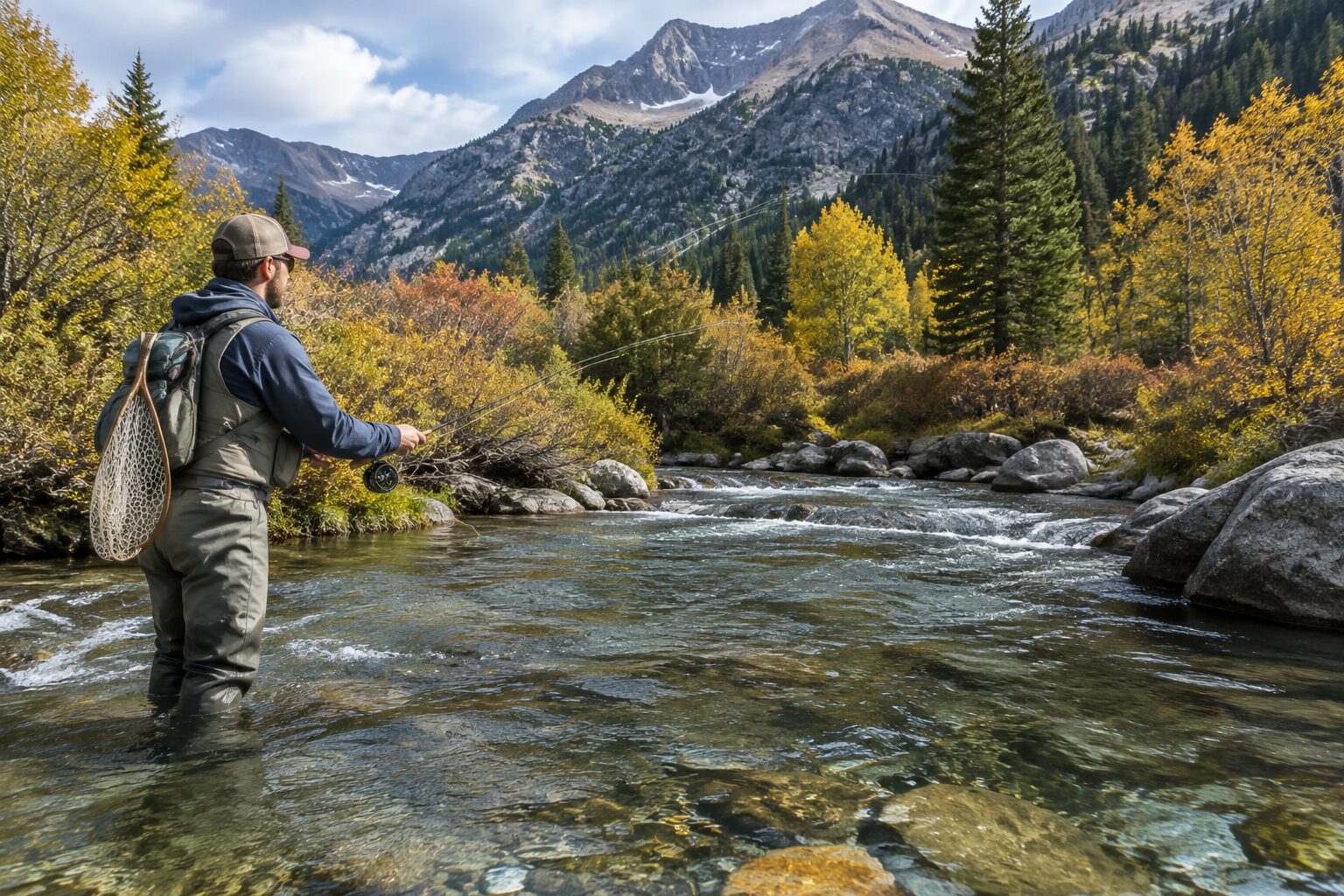
Buy a fishing licenseA Utah resident fishing license costs $40 a year for ages 18 to 64; nonresidents pay $120. The money funds habitat work and fisheries biologists.Go to the source →
Jobs24,3172025, vs. 23,364 in 2024 · ▲ +4.1%Fitness and recreation, yearly average.
Average pay$26,6022025, vs. $25,981 in 2024 · ▲ +2.4%A year per job; all private Utah jobs: $69,800.
All fitness and recreation jobsYearly average, private employers
202423,364
202524,317
▲ +4.1%
Gyms and fitness centersLargest increaseFitness and recreational sports centers
20247,833
20258,270
▲ +5.6%
Ski resortsSkiing facilities
20244,779
20255,014
▲ +4.9%
Other recreationGolf, bowling, marinas, fitness and skiing combined
202420,679
202521,525
▲ +4.1%
WorkplacesBusiness or office locations with employees
2024970
20251,000
▲ +3.1%
Average payA year per job
2024$25,981
2025$26,602
▲ +2.4%
Average pay, all private Utah jobsFor comparison
2024$66,893
2025$69,800
▲ +4.3%
What's behind these changes ▾
Where jobs changed. Other recreation added the most jobs (+846). (BLS QCEW)
Pay. Average pay rose 2.4%, compared with 4.3% for all private Utah jobs and a 2.7% rise in prices in the West. Average pay can rise because of raises or because the mix of jobs shifts toward better-paid work. (BLS QCEW; BLS consumer price index)