Skip to content
Utah Business AIWhere Utah business connects.

Business · Agriculture

Agriculture

The state and federal offices that fund, inspect and help Utah farms and ranches, and the steps a producer takes on water, loans, land, selling and workers. Each step links to the office that handles it.

By the numbers Consumers Farmers and ranchers Water and soil Loans and grants Farmland and succession Selling what you grow Workers and safety State offices All industries
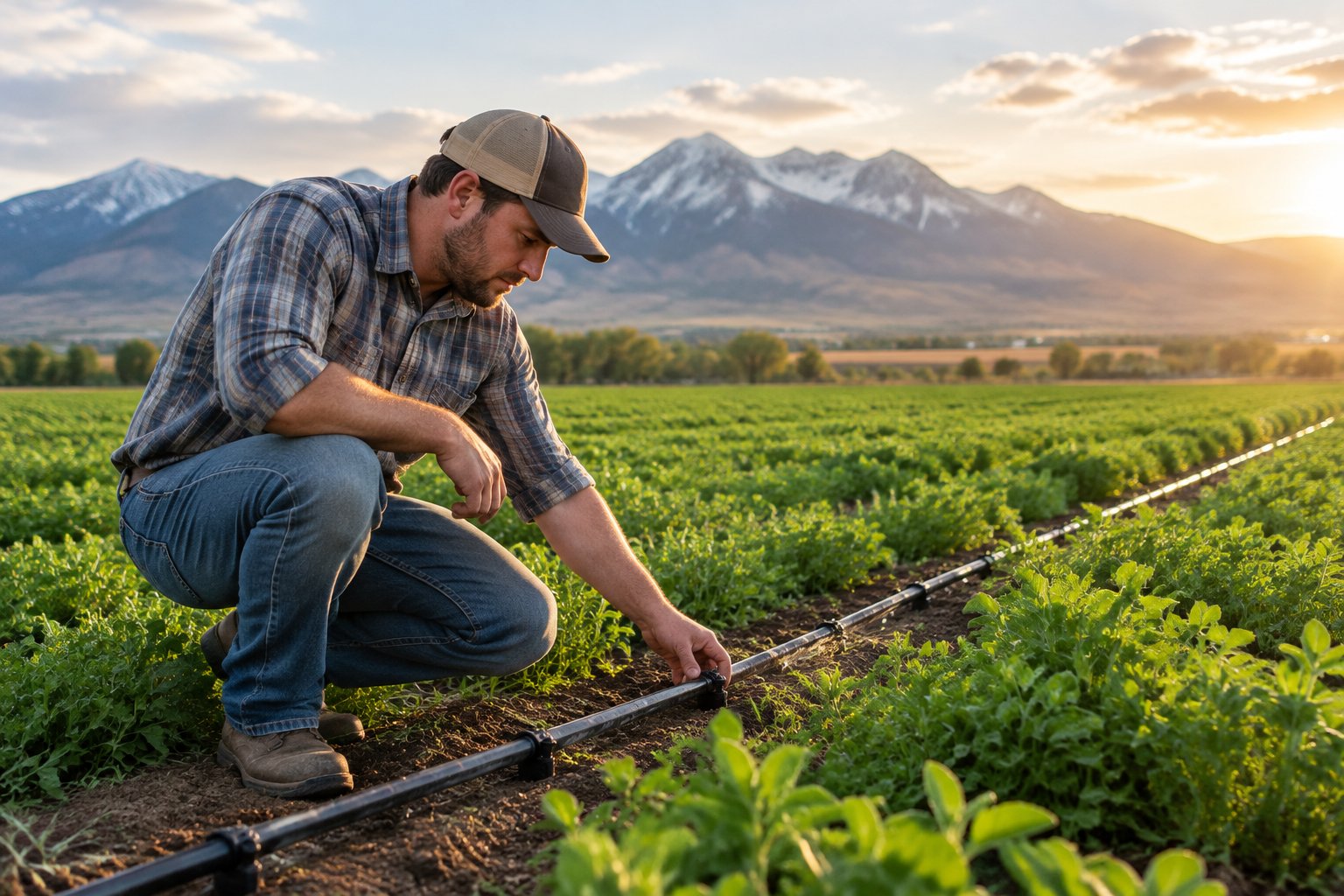
A farmer checks drip irrigation lines in a field below the mountains
Utah farms and ranches17,386Down 6% from 2017.
Average producer age56.6More than one in three producers is 65 or older.
Farm is a second job69%Share of producers whose main job is off the farm.

Source: USDA 2022 Census of Agriculture; Kem C. Gardner Policy Institute.

About

Who regulates Utah farms and ranches
LegislativeExecutiveJudicial
  • Agriculture and FoodFarm loans, water grants, livestock and food inspections, and the Utah's Own program. Source
  • Water RightsThe State Engineer decides who may divert and use water. Source
  • USDAFarm numbers, conservation cost-share and federal farm programs through local service centers. Source

Why it matters

What the numbers show
  • Fewer farmsUtah had 17,386 farms in 2022, 6% fewer than in 2017, on 10.5 million acres. Source
  • An older workforceThe average producer is 56.6, and 35% are 65 or older, so many farms will change hands soon. Source
  • A hard 2026Drought, wildfire and animal disease led the state to cut its farm loan rates to 0% for a year. Source
A farmer checks a tablet beside a tractor in a barn

Farms and ranches

Conservation help, farm loans and food permits

  1. UtahLocal help
    Call your conservation district Utah's 38 conservation districts help landowners with erosion, water quality and weeds and connect them with state and federal money. The coordinator for Utah County's zone: 435-749-0853. Go to the source →
  2. FederalFree
    Get a farm number EQIP needs a farm number from USDA's Farm Service Agency, usually in the same building as the conservation office. Go to the source →
  3. Utah0% interest
    Pay 0% on state farm loans Every active Agriculture and Food loan is at 0% interest from Nov. 1, 2026, to Oct. 31, 2027, and borrowers may put off a payment for up to 12 months. Go to the source →

Agriculture calendar

November 2026
SMTWTFS123456789101112131415161718192021222324252627282930
Nov. 18–20
Utah Farm Bureau annual conventionFarm and ranch leaders meet at the Utah Valley Convention Center in Provo to set policy priorities. Utah Policy
Dec. 16
State budget deadlineLawmakers set revenue estimates and base budgets, including agriculture programs, ahead of the session. Utah Legislature
Jan. 19
Legislature opensThe 2027 session runs to March 5; water and farmland bills are heard there. Utah Legislature
More events →

By the numbers

From USDA and the Bureau of Labor Statistics

How Utah agriculture did

Crops, livestock, land and jobs, 2024 vs. 2025
Value of the hay crop$420M2025, vs. $404M in 2024 · ▲ +3.8%Utah's largest crop, all hay.
Milk produced2.25B lb2025, vs. 2.12B lb in 2024 · ▲ +6.4%Pounds of milk from Utah dairies.
Value of the hay cropAll hay, Utah's largest crop
2024$404M
2025$420M
▲ +3.8%
Alfalfa hay priceDollars a ton, season average
2024$167
2025$176
▲ +5.4%
Hay producedMillions of tons
20242.62M
20252.54M
▼ -3.1%
Milk producedLargest increaseBillions of pounds
20242.12B
20252.25B
▲ +6.4%
Value of milkWhat dairies were paid
2024$475M
2025$465M
▼ -2.2%
Cattle and calvesOn Utah farms and ranches, Jan. 1
Jan. 1, 2025740,000
Jan. 1, 2026760,000
▲ +2.7%
Tart cherriesMillions of pounds used
202443.6M
202531.7M
▼ -27.3%
Farmland valueLand and buildings, dollars an acre
2024$3,300
2025$3,500
▲ +6.1%
Farm jobsAt crop and livestock employers, yearly average
20244,918
20255,073
▲ +3.2%
Farm payAverage a year per job
2024$41,423
2025$43,571
▲ +5.2%
What's behind these changes
  • Hay. Farmers harvested 40,000 fewer acres of alfalfa, so less hay was produced, but the price rose from $167 to $176 a ton, so the crop was worth more. (USDA NASS)
  • Milk. Dairies produced 6.4% more milk, but were paid less per pound: about $20.60 per hundred pounds in 2025, down from $22.40. (Our calculation from USDA NASS value and pounds)
  • Cattle. Utah had 20,000 more cattle and calves on Jan. 1, 2026, while the U.S. herd shrank slightly, to 86.2 million head. (USDA Cattle report)
  • Farmland. Utah cropland rose 9.7% to $5,790 an acre, and irrigated cropland 9.6% to $9,810. (USDA Land Values 2025 Summary)
  • Tart cherries. The 2025 crop came to 31.7 million pounds, down from 43.6 million; growers got more per pound. The 2026 crop was hit by an April freeze (see the news below). (USDA NASS)
How these were figured

Consumers

Buying Utah food and farm products

News for food shoppers

Prices, local food and recalls
A rancher and a vet look over a cow on a ranch with mountains behind
Animals · EquiManagement · Nov. 9Utah investigates alfalfa cubes after 3 horses dieOwners shouldn't use the recalled hay cubes, sold since Oct. 3.Agriculture and Food →

Utah hay

Alfalfa price per ton and tons produced, 2024 vs. 2025.

Alfalfa price, $/tonAlfalfa price, $/ton, 2024: 167167Alfalfa price, $/ton, 2025: 176176Hay produced, 10K tonsHay produced, 10K tons, 2024: 262262Hay produced, 10K tons, 2025: 254254

2024 2025

Source: USDA NASS
A farmer checks tall crops in a field with mountains behind
Crops · KUER · July 30Utah's tart cherry harvest is wiped outUtah is the second-largest tart cherry producer; growers are buying elsewhere to keep customers.Utah's Own →

Utah tart cherries

Millions of pounds used, 2024 vs. 2025.

Tart cherriesTart cherries, 2024: 43.6M43.6MTart cherries, 2025: 31.7M31.7M

2024 2025

Source: USDA NASS
More Utah news →

At a glance

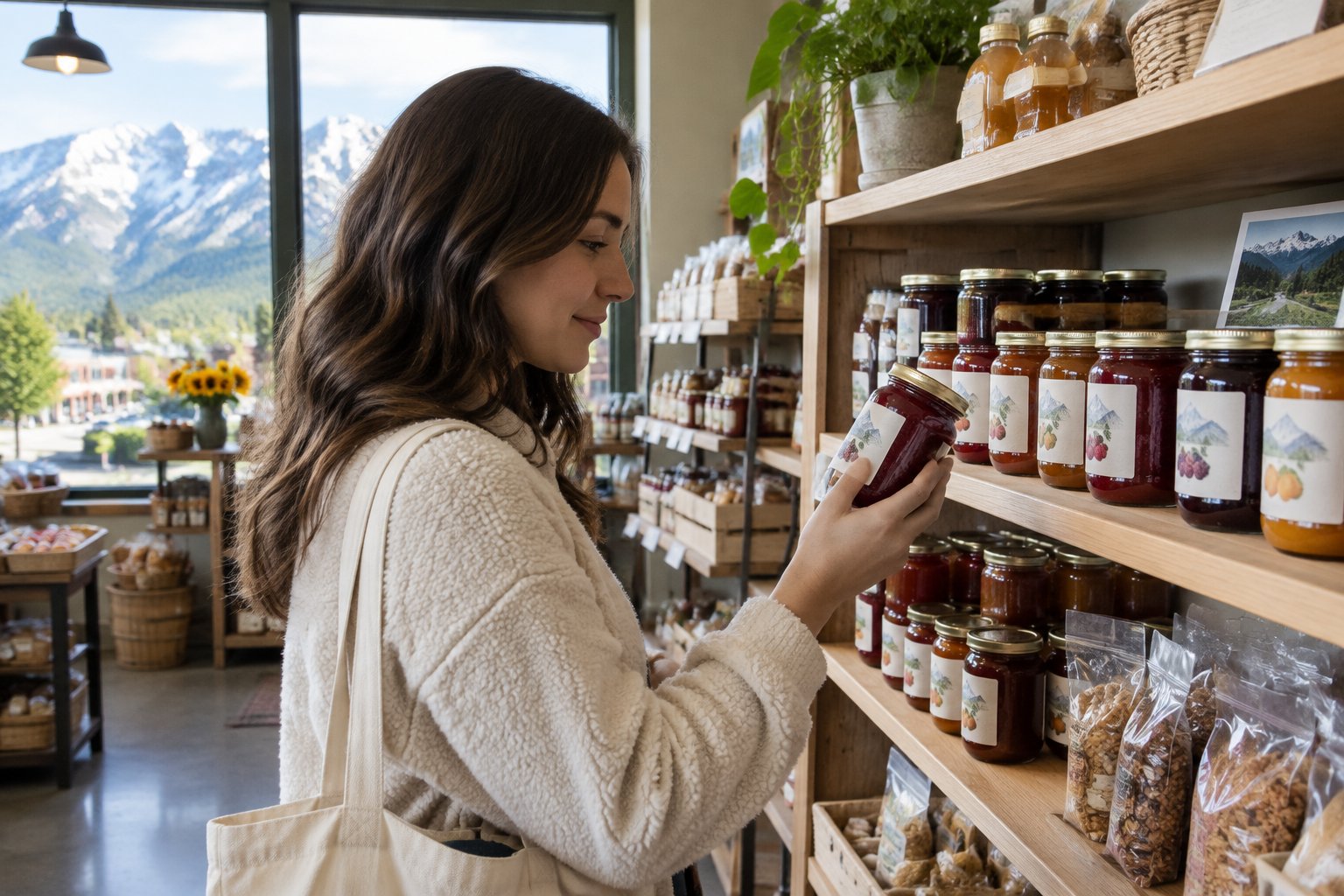
A shopper picks out jars of jam at a local food shop

Buy local

Utah's Own

Agriculture and FoodThe state program lists Utah-grown and Utah-made food and farm products; members can use its logo.

Read more →
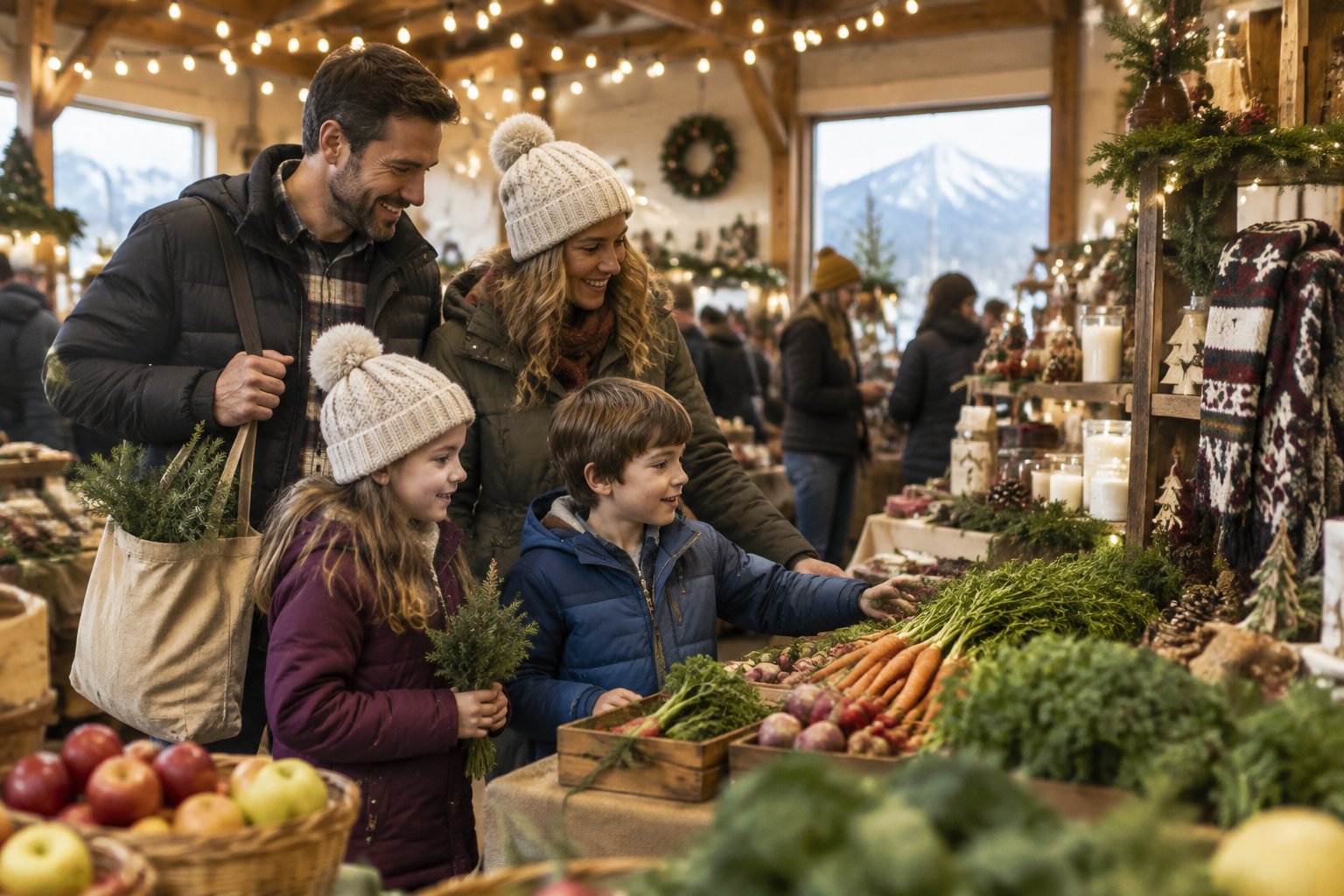
A family in winter coats shops at a holiday market

SNAP at markets

Up to $60

KUTVMany Utah farmers markets take SNAP, and Double Up Food Bucks matches what shoppers spend, up to $60.

Read more →
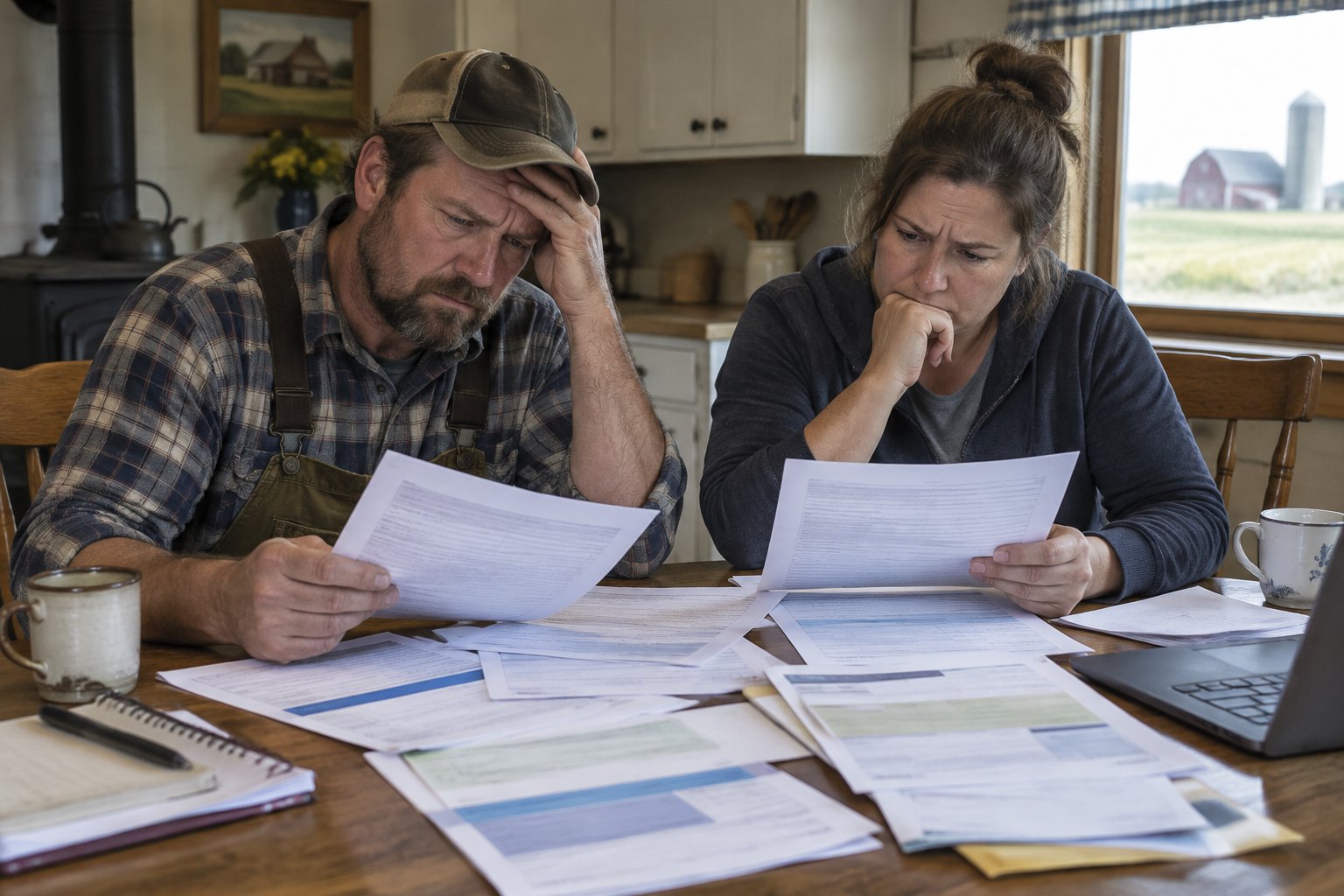
A couple looks over bills at a kitchen table

Groceries

$278 a week

Aug. 2026 · KUERThe average weekly grocery haul in Utah; ground beef in the West costs nearly $7 a pound.

Read more →
A young family goes over paperwork at home

Food prices

+3.1%

USDA, via KUERExpected rise in food prices for the rest of 2026 and into 2027.

Read more →
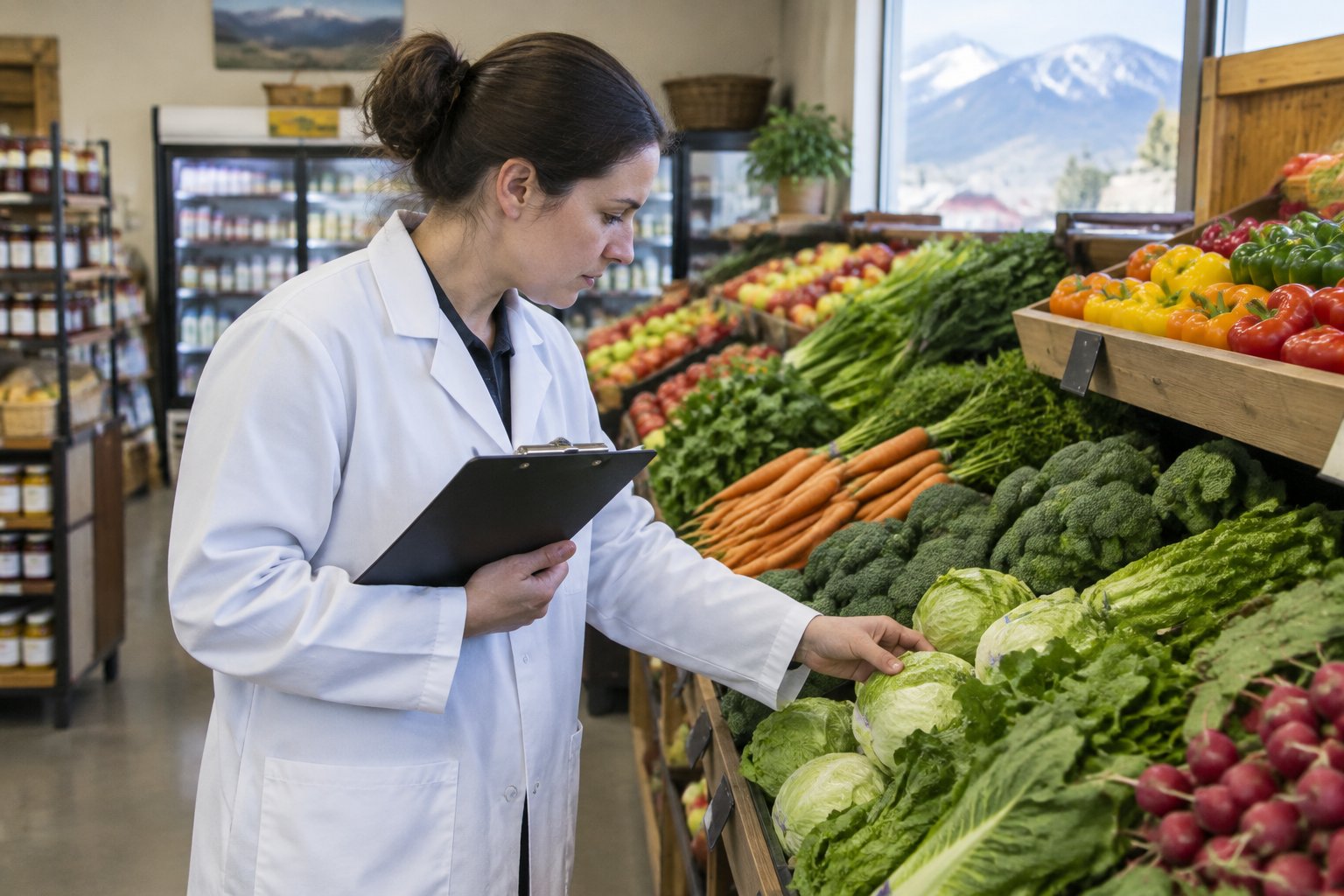
An inspector with a clipboard checks produce in a grocery store

Farm eggs

Under 3,000 hens

Agriculture and FoodSmall flocks may sell eggs labeled with the count, the farm's name and address, and “Keep Refrigerated.”

Read more →
A woman works on a laptop at her kitchen table

Home-made food

Inspected

Agriculture and FoodRegistered cottage food businesses send their recipes to the state and pass a food safety inspection.

Read more →
A scientist tests samples in a laboratory

Recalls

Store checks

June 16, 2026 · Agriculture and FoodState inspectors visit stores to make sure recalled food, like a recalled infant formula, is off the shelves.

Read more →
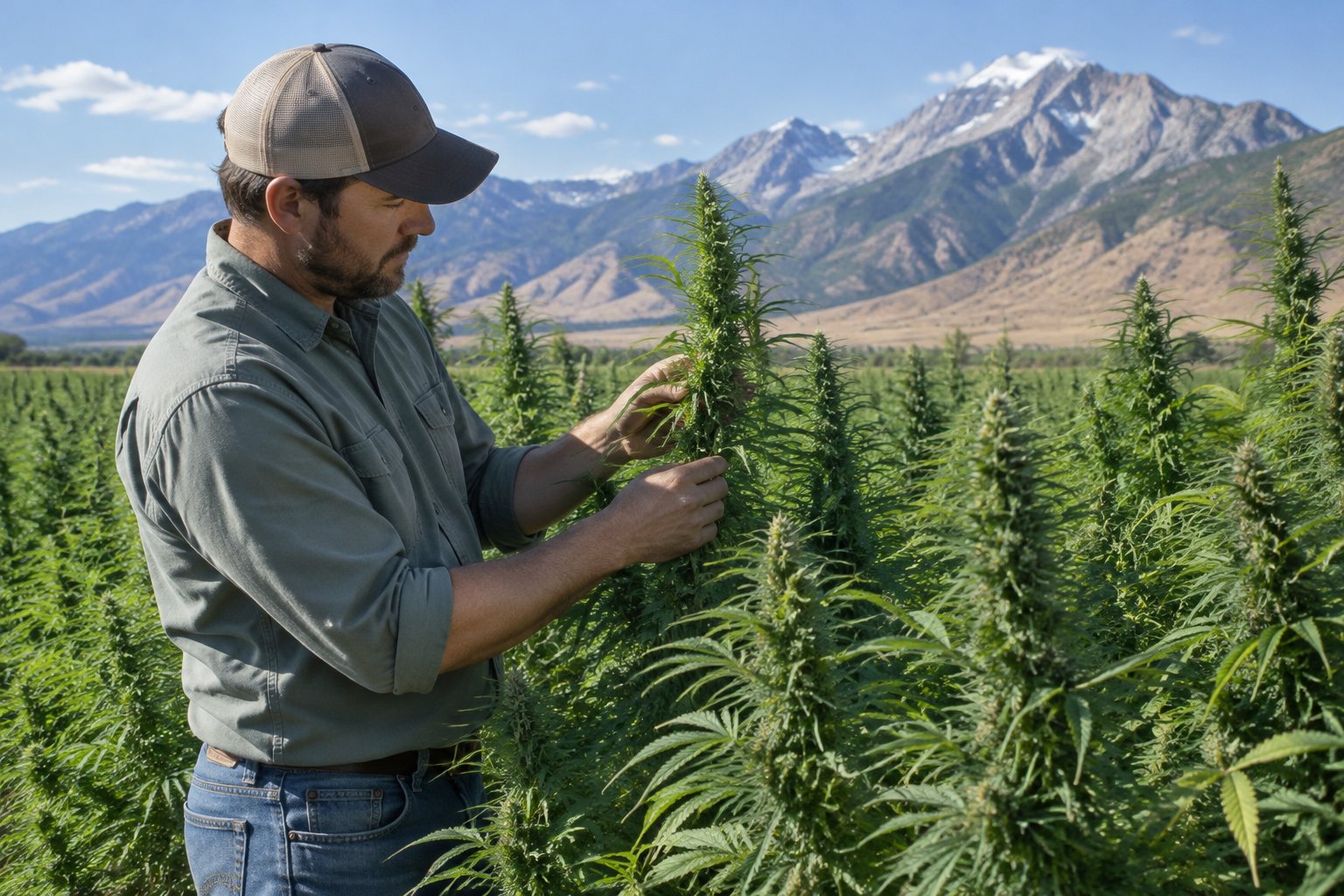
A farmer checks drip irrigation lines in a field below the mountains

Tart cherries

2nd in U.S.

KUERUtah normally grows the second-most tart cherries in the country.

Read more →

Farmers and Ranchers

Running a farm or ranch

News for farmers and ranchers

Loans, weather and policy
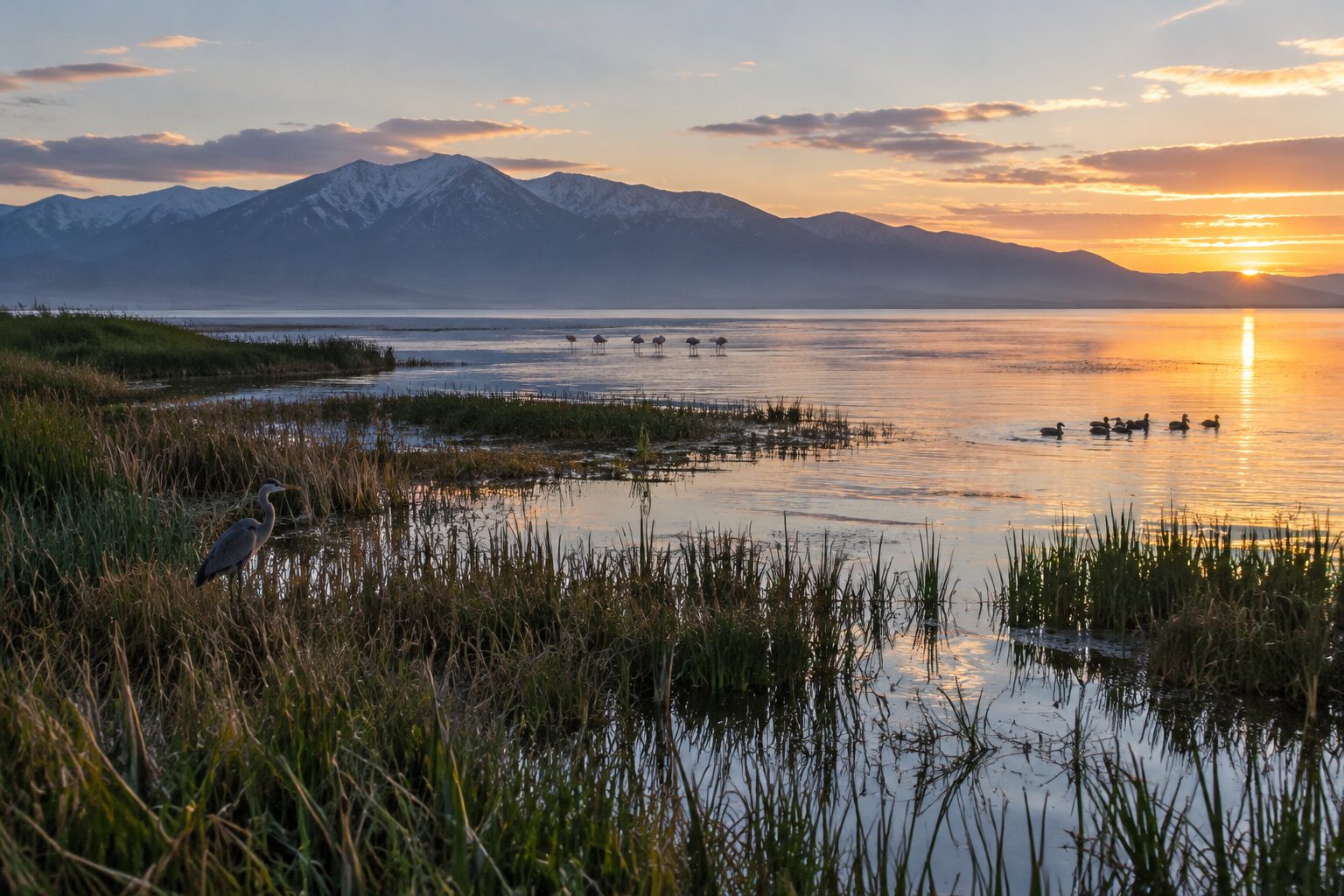
A marsh at sunset with mountains beyond
Weather · RFD-TV · Nov. 2Fall storms help soil and rangelandMoisture improved parts of Utah as ranchers moved animals off seasonal grazing.Water and soil →

Cattle on Utah farms and ranches

Thousands of head on Jan. 1.

Cattle and calvesCattle and calves, Jan. 1, 2025: 740K740KCattle and calves, Jan. 1, 2026: 760K760K

Jan. 1, 2025 Jan. 1, 2026

Source: USDA Cattle report
More business news →

At a glance

A business owner and an adviser go over paperwork at a cafe table

State farm loans

0%

Nov. 1, 2026–Oct. 31, 2027 · Agriculture and FoodEvery active loan, and borrowers may put off a payment for up to 12 months.

Read more →
A worker in a safety vest takes notes beside a rushing creek

Water

Up to $1 million

Agriculture and FoodWater optimization grants help farms switch to more efficient irrigation; the grant pays you back after the work.

Read more →
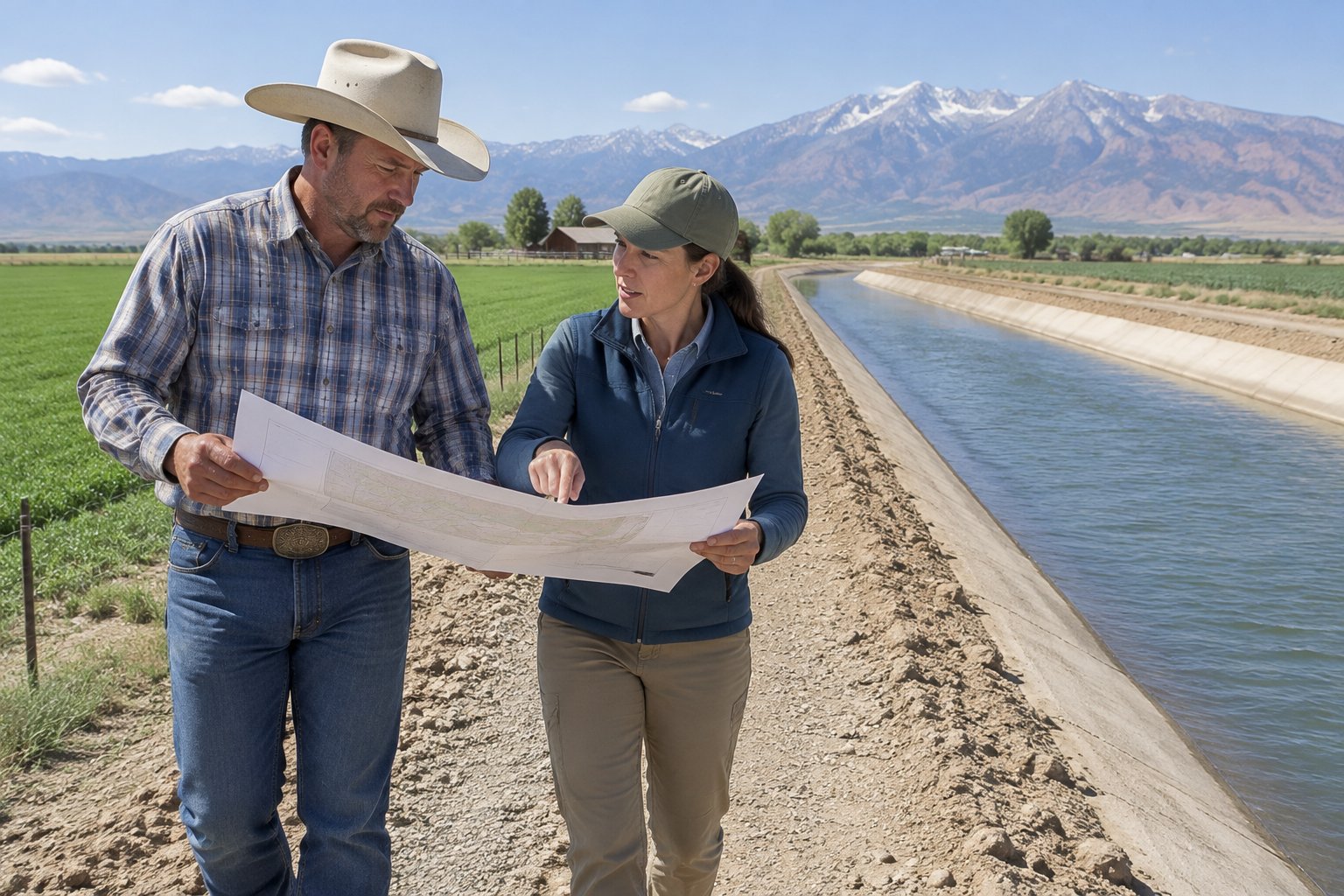
Two people review plans beside an irrigation canal, with mountains behind

Soil health

$10–$20 an acre

Agriculture and FoodAgVIP pays $1,000 to sign a conservation plan, then $10 to $20 an acre a year for three years, up to $75,000.

Read more →
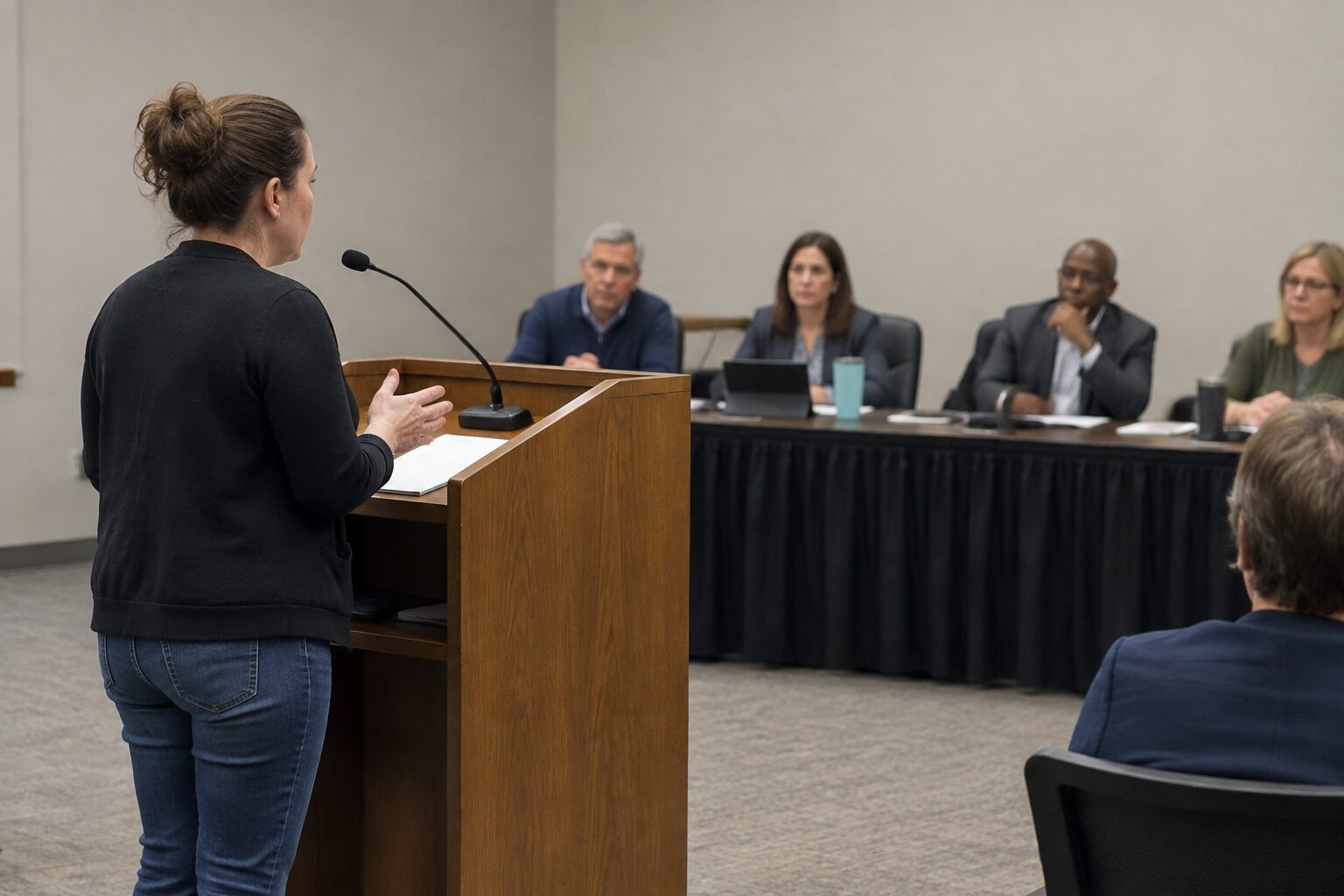
People speak at a public meeting

Local help

38 districts

Agriculture and FoodConservation districts help with erosion, water quality and weeds and connect landowners with state and federal money.

Read more →
A person reads state rules on a laptop at a library table

Water rights

7 years

Water RightsA right left unused that long can be forfeited. File for nonuse to protect it.

Read more →
A woman reviews charts on her computer at a desk

Farms

17,386

2022 · USDAUtah farms and ranches, 6% fewer than in 2017, on 10.5 million acres.

Read more →
An older couple fills out a form at home

Succession

56.6

Average producer ageMore than one in three producers is 65 or older; the state helps families plan who takes over.

Read more →
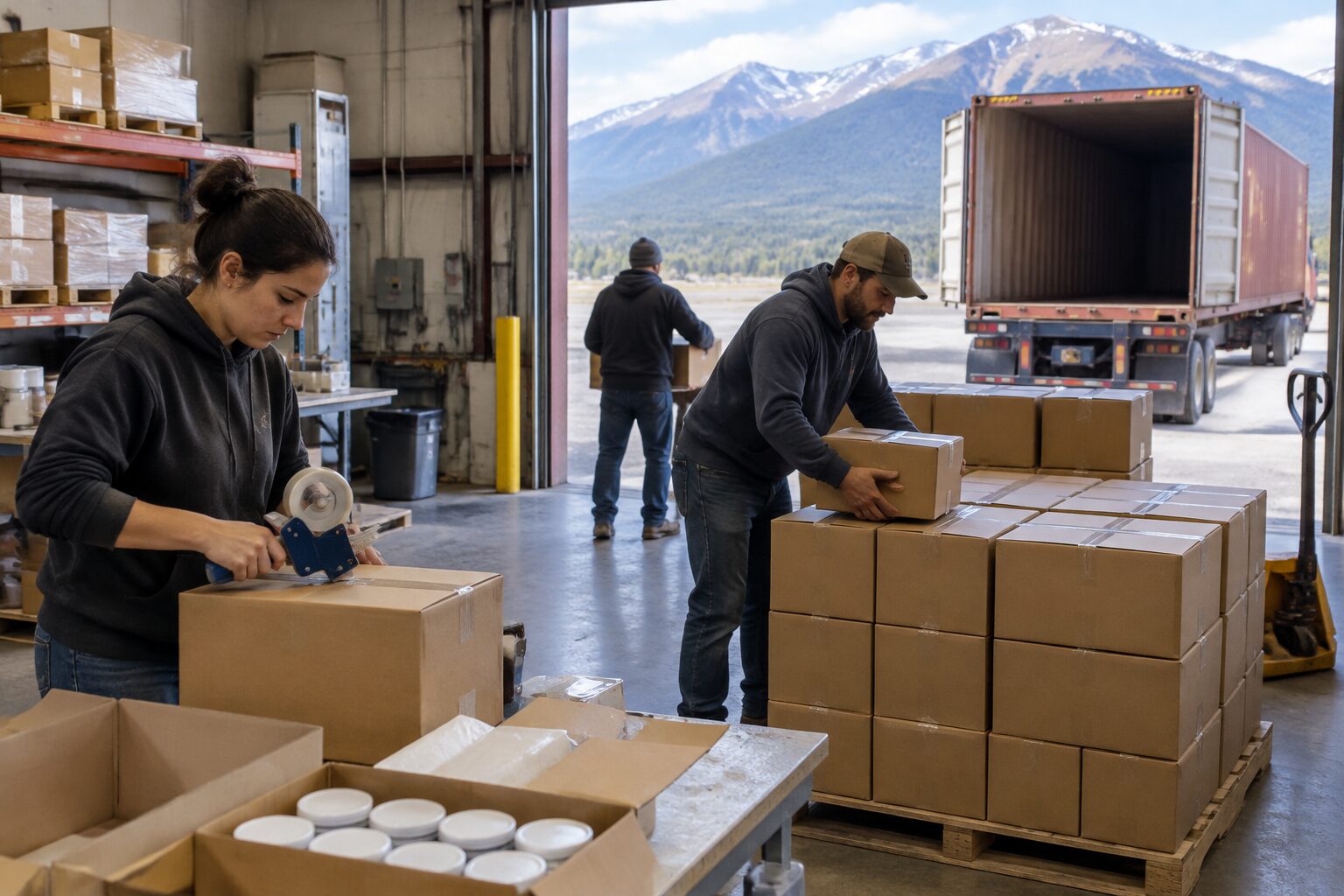
Workers load boxes onto a truck at a warehouse dock

Exports

$743,000

2026 · Deseret NewsFederal STEP export grants for Utah, up 42%, for trade shows, travel and translation.

Read more →

Take action

STEP 1 · WHAT MATTERS TO YOU?
STEP 2 · WHICH GOVERNMENT?
STEP 3

State offices for farmers and ranchers

9 offices that fund, inspect or help farms and ranches

Water and land

Animals and crops

Selling and support

All industries →

Who to contact

Department of Agriculture and Food801-982-2200, Mon. to Fri., 8 a.m. to 5 p.m.; ag.utah.gov
Farm loansAgricultural loans
Federal farm programsYour local USDA service center; NRCS Utah
Water rightsDivision of Water Rights, (801) 538-7240; waterrights.utah.gov
Passing on the farmFarm transfer program